Real prices in July 2026: charging at home, at public stations and on the motorway, the honest comparison with petrol, and how far costs drop with solar.
Charging an electric car at home costs about €0.32 per kWh: a 40 kWh “full tank” comes to around €13 and 100 km cost less than €5. Public stations cost more (€0.55–0.90/kWh), and motorway charging comes close to petrol. With solar panels, 100 km cost about €1.
In this guide you’ll find prices updated to July 2026 — home, public stations, motorway — the honest comparison with petrol, and the case where charging really costs next to nothing: using the energy from your own roof.
How much does charging at home cost?
About €0.32 per kWh at the ARERA reference rate of July 2026 (free-market contracts average around €0.35). In practice:
- A 40 kWh charge: about €13, for 250–270 km of range
- 100 km: about €4.80, assuming a typical consumption of 15 kWh
- A 12,000 km year: around €580
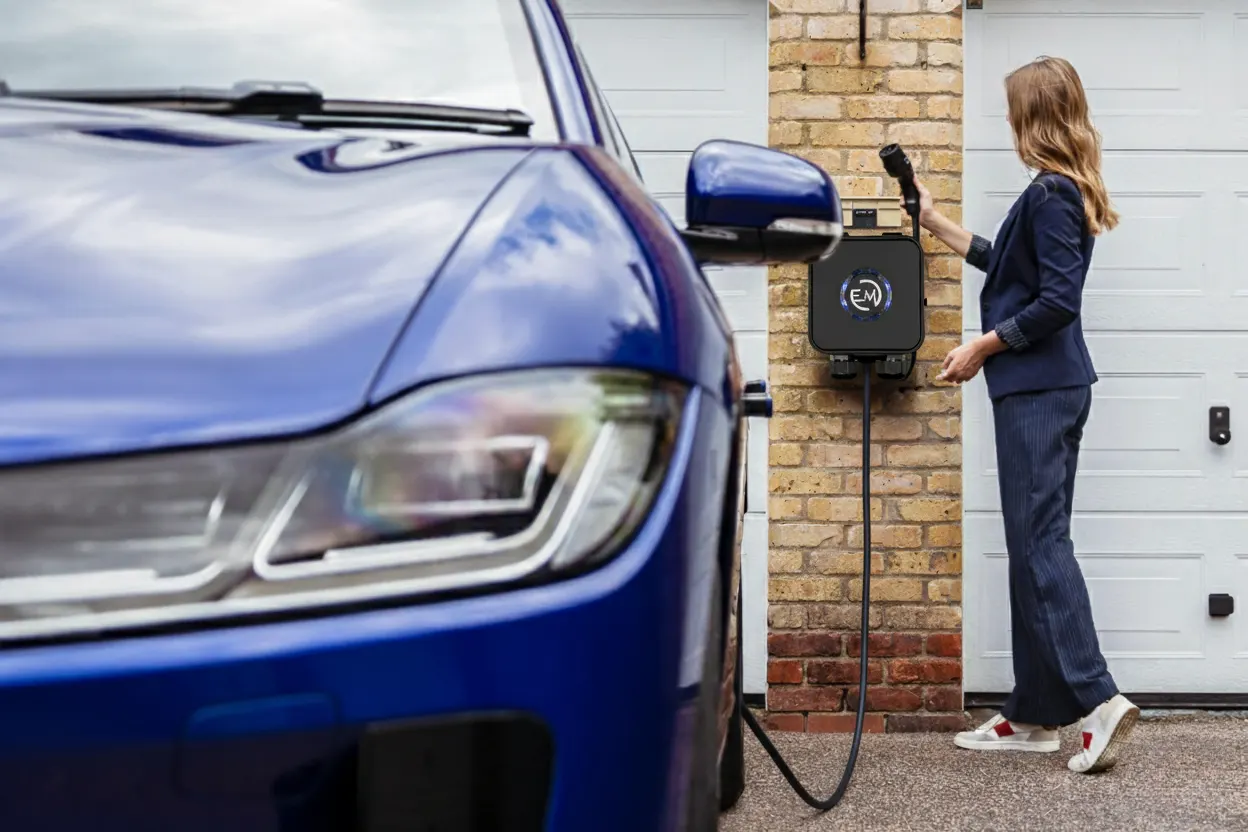
It’s no coincidence that, according to Motus-E, about 90% of charging happens at home: it’s the cheapest and most convenient way to “fill up”, especially overnight while the car sits in the garage. With a wallbox you charge faster and more safely than with a regular socket.
How much does public charging cost?
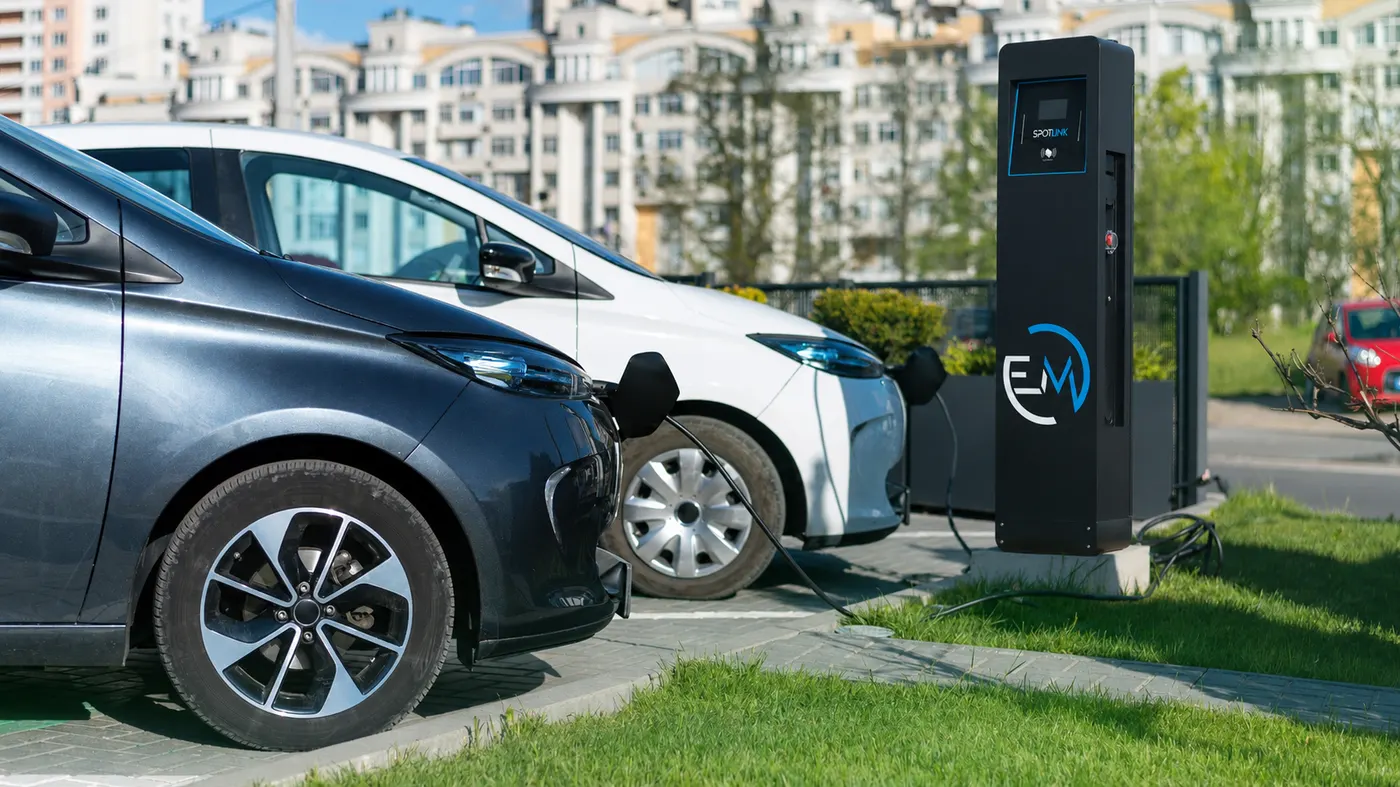
On average €0.63 per kWh at AC stations (the “normal” ones up to 22 kW), with rates between €0.55 and €0.65. The same 40 kWh charge therefore costs €22–26: about double the home price.
DC fast chargers (50–100 kW) run between €0.60 and €0.85 per kWh. Two ways to spend less: some operators’ night rates (below €0.55) and monthly subscriptions, worthwhile for those who often charge in public.
And on the motorway?
Ultrafast chargers (HPC, 150–350 kW) are the most expensive: €0.75–0.89 per kWh, with card payment on Autostrade per l’Italia stations at €0.79. A 40 kWh charge costs €32–36 — and on top of that, at 130 km/h the car consumes 30–50% more than in the city.
The trick is simple: use the motorway for quick top-ups on long trips, and do the bulk of your charging at home, leaving with a full battery.
Electric vs petrol: the real numbers
With petrol at €1.82/litre (ministry survey, early July 2026) and a consumption of 6 litres per 100 km, a petrol car spends about €11 every 100 km. The electric car:
- At home: ~€4.80 → less than half
- Public AC station: €8–10 → still cheaper
- Ultrafast on the motorway: €12–13 → similar to petrol, sometimes more
- With home solar: €0.70–1.90 → about one tenth
In short, how much an EV saves you depends on where you charge: those who can charge at home always save; those who rely only on public stations, much less.
Want to charge at home, fast and safely? Discover the wallboxes we install, including models with automatic power management.
With solar, charging costs next to nothing
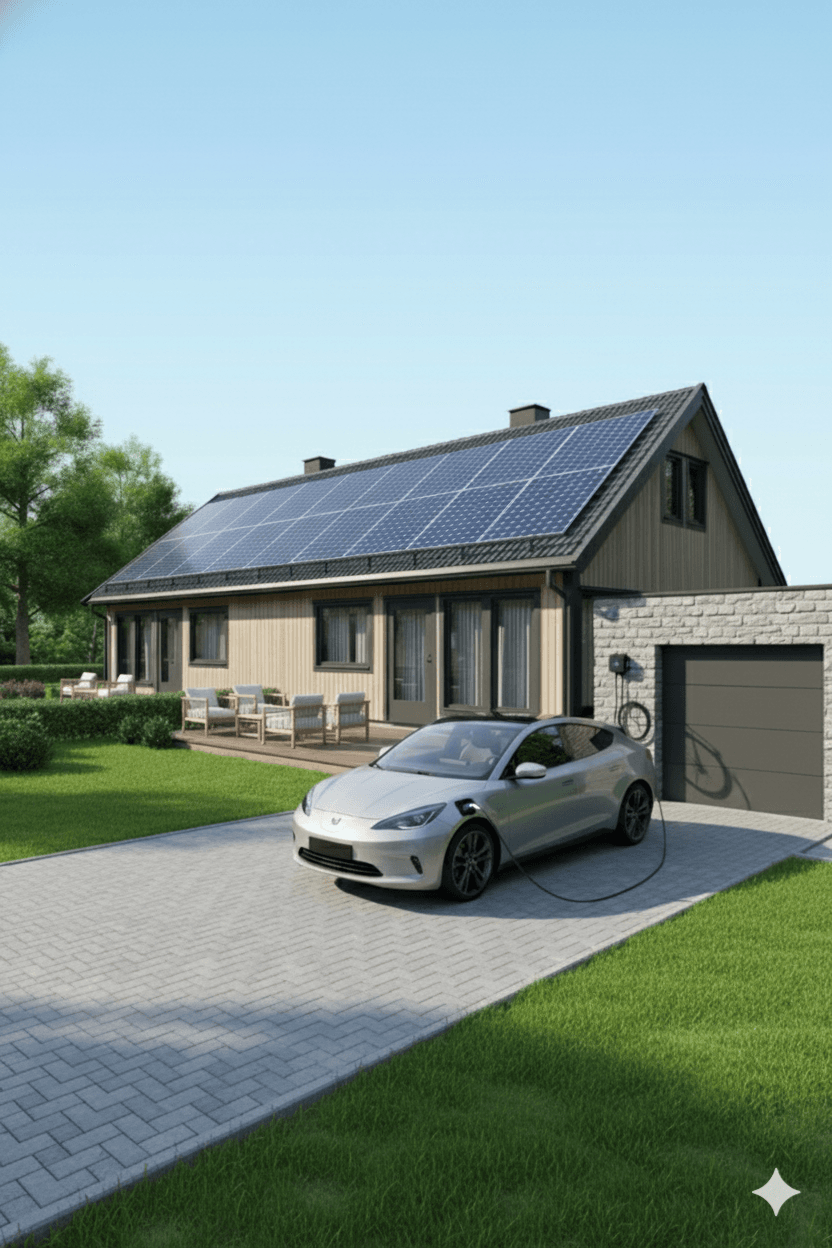
If you have a solar PV system and charge during the day, the energy you put into the car only “costs” you what you give up by not selling it to the grid: 5–12 cents per kWh. A 40 kWh charge drops to €2–5 and 100 km cost less than €2.
It’s the combination we work on every day here in Perugia: panels on the roof, a wallbox in the garage, and a car that becomes the place where you “park” your home’s energy. Discover our solar-powered charging solutions.
How to spend less: 4 practical tips
- Charge at home at night if you have a time-of-use tariff: the kWh costs less and the car is parked anyway.
- Use night rates and subscriptions if you travel a lot: the big operators’ plans bring ultrafast charging from €0.85 down to €0.48–0.60 per kWh.
- Choose a smart wallbox with load management, like the 7.4 kW Smart Wallbox: it modulates power around your home’s consumption so the meter never trips.
- Add solar: it’s the single change that cuts your cost per km the most — and the car’s battery soaks up exactly the energy of your production peaks.
Let’s talk: message us on WhatsApp and we’ll tell you what charging your car at home would cost — with or without solar.
Prices updated to July 2026: electricity from ARERA (31.63 cents/kWh reference rate) and Mimit/MASE for fuels (self-service petrol €1.82/L); charging rates from the official price lists of Enel, Plenitude/Be Charge, Ionity, Free To X, Ewiva and the Adiconsum Observatory of May 2026; usage data from Motus-E. Promotions and time bands may vary: always check your operator’s app.
Frequently asked questions
How much does a full charge cost?
A 40 kWh charge (about 265 km of range) costs around €13 at home, €22–26 at public AC stations and €32–36 at ultrafast motorway chargers. With home solar it drops to €2–5.
Is charging an electric car cheaper than petrol?
At home yes, about half: €4.80 per 100 km versus €11 for a petrol car. With home solar it drops to about one tenth. Only ultrafast motorway charging comes close to petrol costs.
How much does public charging cost?
In 2026 AC stations average €0.55–0.65 per kWh, DC fast chargers €0.60–0.85 and ultrafast motorway chargers about €0.75–0.89. Night rates and subscriptions bring real savings.
How much does charging with solar panels cost?
About €0.70–1.90 per 100 km. Self-produced energy only 'costs' you the missed sale to the grid — 5–12 cents per kWh: less than a third of the home rate and about one tenth of petrol.
Are charging subscriptions worth it?
Yes, if you often charge away from home: the big operators' plans bring even ultrafast chargers down to €0.48–0.60 per kWh. If you charge almost always at home, pay-per-use is better.