2026 turnkey prices: basic and smart 7.4 kW wallboxes, certified installation costs, the refinanced 80% charging-point bonus and the real deduction rules.
A home wallbox installed turnkey generally costs €1,200–2,500: the device is worth €400–1,300 (basic or smart), certified installation €400–900. The good news of 2026: the charging-point bonus is back — it covers 80% of the cost up to €1,500.
In this guide you’ll find the real prices item by item, what a proper installation includes, when you do (and don’t) need a bigger meter, and the honest picture on bonuses and deductions as of July 2026.
How much does a 7.4 kW wallbox cost?
The device alone, in the most common home size (7.4 kW single-phase):
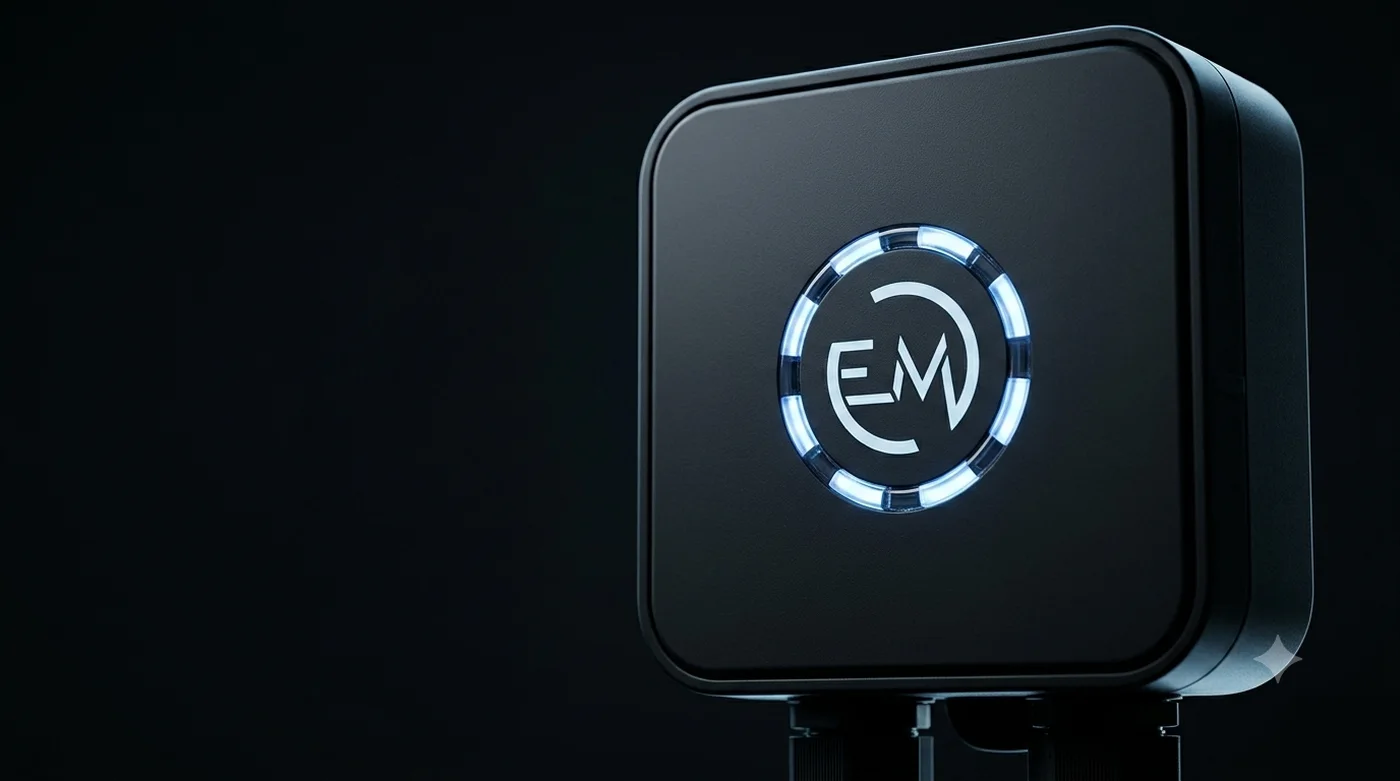
- Basic plug&play: €400–900. Plug the cable in and charge, no app or configuration. That’s our Single-phase Wallbox.
- Smart with load balancing: €800–1,300. It reads your home’s consumption and modulates the charging power: no tripping meter and often no power upgrade. It’s the type we recommend most, like our 7.4 kW Smart Wallbox.
- Three-phase 11–22 kW: from €1,200–1,700 upwards, only if you have (or plan) a three-phase supply.
How much does installation cost?
€400–900 in standard cases, all included. That covers: the dedicated electrical line from the panel to the wallbox, the protections (circuit breaker and RCD), mounting, configuration and testing with the Declaration of Conformity — the document that makes the installation compliant and insurable.
What pushes the price up: a long cable run from the meter, masonry work, outdoor installation, or a shared garage subject to fire-prevention rules (a design project is needed there). That’s why a serious quote comes after a site survey — we do them free of charge in Perugia and throughout Umbria.
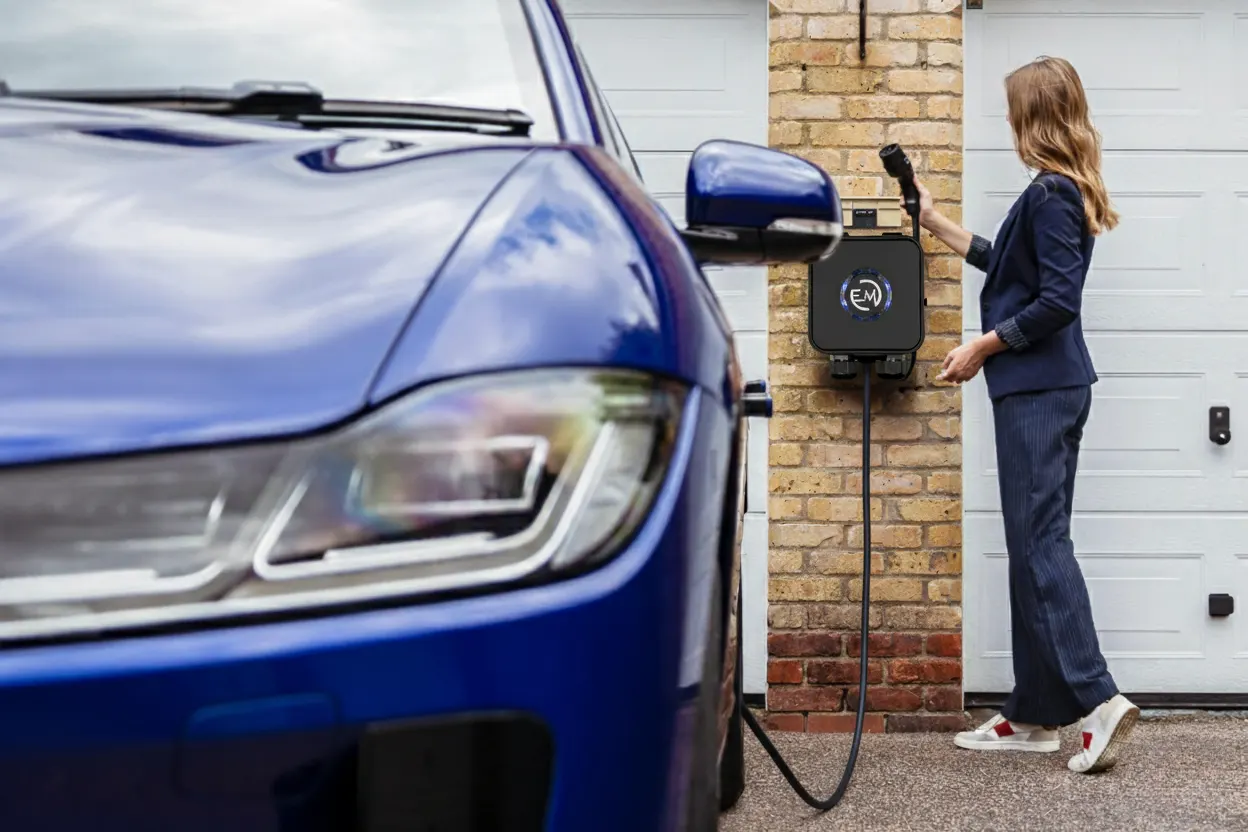
Want the exact price for your home? Have a look at the wallboxes we install and ask us for a free survey.
Do you need to increase your meter power?
Often not. A 7.4 kW wallbox on a 3 kW contract simply charges at ~3 kW, and with load balancing the charge adapts by itself when the oven or washing machine switches on. For reference, with a ~60 kWh battery:
- Domestic socket (2.3 kW): about 24 hours — and the socket heats up
- Wallbox at 3 kW: about 18–20 hours, safely
- Wallbox at 6–7.4 kW: about 8–10 hours, one night
- Three-phase 22 kW: 2.5–3 hours
If you want faster overnight charging, upgrading from 3 to 6 kW costs about €210–240 one-off (ARERA-regulated fee, ~€61/kW) plus a fixed charge of ~€25 per kW per year on your bill. We handle the paperwork.
The 2026 charging-point bonus: where it really stands
The home charging-point bonus was refinanced by the “Automotive” decree of June 10, 2026, through 2030: a non-repayable grant of 80% of purchase and installation, up to €1,500 for private individuals (€8,000 for apartment buildings). Strictly necessary electrical and building works are eligible too.
Mind the practical point: as of July 2026 the application window is not open yet — the implementing decree is pending, and applications will go through the Invitalia platform. 2026 expenses should be eligible for reimbursement: so keep every invoice and bank transfer for what you spend this year. As soon as it opens, we’ll flag it on our incentives page.
What about the 50% deduction?
Honesty is needed here, because you’ll read all sorts of claims: installing a wallbox on its own is not deductible. The old dedicated deduction for charging points expired in 2021, and the official Agenzia delle Entrate guide (February 2026) does not list wallboxes among eligible works.
The 50% deduction applies only if the wallbox is part of an already-eligible building intervention — for example rewiring the electrical system or a renovation. And in any case it cannot be combined with the 80% bonus on the same expense: once the window opens, the bonus will almost always be the better choice.
The bottom line (and the trick that makes charging almost free)
To recap: smart wallbox + installation = €1,200–2,500; with the 80% bonus, once the window opens, the net cost can drop below €500. From there you charge at home at about €0.32 per kWh — and with solar panels, at one tenth of the cost of petrol: the full math is in our charging cost guide.
Tell us what car you have (or have coming) and send us a photo of your electrical panel: we’ll tell you the right wallbox, the exact cost and the timing, no strings attached.
Indicative prices as of July 2026: devices and installation from national and industry guides (Selectra/luce-gas.it, Silla Industries, Ayvens, il MegaWatt); charging bonus: Decree of June 10, 2026 and the Invitalia platform (window opening soon); deductions: Agenzia delle Entrate guide, February 2026; meter costs: ARERA/E-Distribuzione regulated fees. Every installation is different: ask us for a tailored quote.
Frequently asked questions
How much does a turnkey wallbox cost?
Between €1,200 and €2,500 VAT included, certified installation included. The simplest cases start around €1,000; long cable runs, masonry work or shared garages push the price up.
How much does a 7.4 kW wallbox cost?
The device alone costs €400–900 in the basic plug&play version and €800–1,300 in the smart version with app and load balancing. Three-phase 11–22 kW units start at about €1,200.
Is there a wallbox bonus in 2026?
Yes: the home charging-point bonus was refinanced in June 2026 through 2030 — an 80% grant up to €1,500 for private individuals. The application window isn't open yet: keep your 2026 invoices while waiting for the implementing decree.
Can a wallbox be deducted at 50%?
Not on its own: the renovation deduction applies only if the wallbox is part of an already-eligible building intervention, such as rewiring the electrical system. And it can't be combined with the 80% bonus on the same expense.
Do I need to increase my meter power?
Not necessarily: a smart wallbox with load balancing adapts to the available power and prevents blackouts. If you want faster charging, going from 3 to 6 kW costs about €210–240 one-off.