With Italy's net-metering scheme gone, a battery pays off almost always: self-consumption jumps from 30 to 75%, and every stored kWh is worth ~€0.20. When yes, when no.
Yes — today solar with battery storage is worth it in most cases. The reason is simple: energy sold to the grid is now worth very little (€0.05–0.11 per kWh), while energy you avoid buying is worth €0.25–0.32. A battery lifts self-consumption from 30–35% to 70–80%, and it qualifies for the 50% tax deduction. It only fails to pay off if you consume little, or almost only during the day.
In this guide we do the honest math: what really changes with and without a battery, when it makes sense, when it doesn’t, and what happens if you have (or want) a heat pump. We’re not alone in believing it: Italy already has almost 900,000 storage systems installed.
What difference does the battery make? The numbers
Solar produces during the day, but a family consumes mostly in the early morning and evening. The result:
- Without a battery you directly use only 30–35% of the energy you produce: the rest is sold to the grid, cheaply.
- With a battery the afternoon’s energy is there for you in the evening: self-consumption rises to 70–80%, up to 90% in the best cases.
In practice the battery doesn’t make you produce more: it makes you waste less. And today that’s worth a lot.
Why it pays off more than before: net metering is gone
Until recently the grid worked like a “virtual battery”: the Scambio sul Posto scheme reimbursed you for most of the energy you fed in. For new systems it no longer exists (closed to new entrants since May 2025): today surplus energy is sold to the GSE under the Ritiro Dedicato scheme, at €0.05–0.11 per kWh.
So the math goes like this: a kWh sold earns you ~€0.10, a kWh self-consumed saves you ~€0.30. Every kWh the battery shifts from selling to self-consumption is worth about €0.20. With a 10 kWh battery working almost every day, that’s several hundred euros a year.
When the battery is worth it
- You use at least 3,000 kWh per year, with a significant share in the evening (family back home in the afternoon, dinner, washing machines, TV).
- You have a heat pump, air conditioning or an electric car — or plan to soon: consumption rises and the battery works harder.
- You’re installing the system now: a battery installed together costs about half as much per kWh as adding it later.
- You have enough tax capacity to use the 50% deduction, which covers the battery too.
Under these conditions, a battery typically pays for itself in 7–12 years with the 50% bonus — and since modern batteries last 15–20 years (10-year warranty, Huawei up to 15), it keeps working long after it has paid off.
Want to see the numbers on your own bill? The simulator shows savings and payback, with and without a battery.
When it’s better NOT to (or to wait)
We’re installers, but the math matters more than the sale. A battery is not the right choice if:
- You consume little (under ~3,000 kWh per year): the investment struggles to pay off before the warranty ends.
- You consume mostly during the day (working from home, heat pump running in the sunny hours): direct self-consumption is already high and the battery would have little to shift.
- Your system still benefits from Scambio sul Posto: while the agreement remains active, the grid’s “virtual battery” already does most of the job.
- Your budget is tight: a few extra panels today often earn more, with the battery a few years from now (prices keep falling).
And with a heat pump?
A heat pump raises annual consumption — often above 6,000 kWh — and it’s precisely these profiles where a battery is most justified. But watch out for something few will tell you: in the depths of winter, solar produces least exactly when the heat pump consumes most. The battery gives its best in spring, autumn and summer; in December and January it shifts little.
That’s why sizing must be based on your real consumption, not a catalogue: that’s what the site survey is for.
How much it costs and how long it lasts
2026 prices, installation included: a 5 kWh battery costs €3,000–5,500, a 10 kWh one €6,500–10,000 as a retrofit — much less if installed together with a new system. All the details, size by size, in our 2026 solar price guide.
On longevity you can relax: the LFP lithium batteries we install — Huawei LUNA2000, Tesla Powerwall 3 and others — exceed 6,000 charge cycles, with 10-year warranties (Huawei up to 15) and at least 60–70% of capacity guaranteed at the end. You’ll find the storage systems we install on our solar page.
In practice: our advice
If you’re installing a new system and you also consume in the evening, a battery today is almost always the right call: net metering is gone, energy sold is worth little, and the 50% deduction covers storage too. If instead you consume little or mostly during the day, a good system without a battery remains an excellent investment — and the battery can come later.
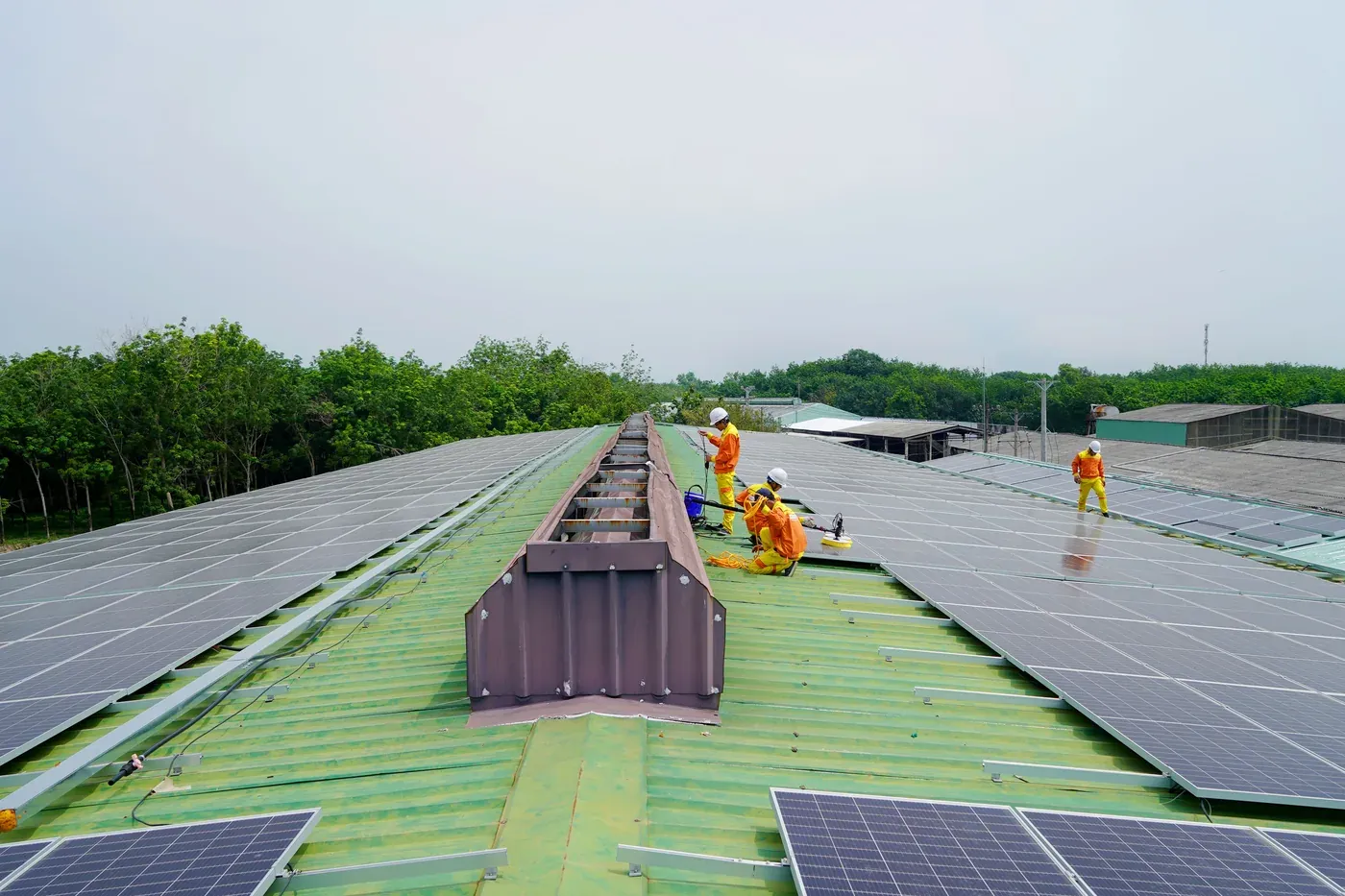
We install them every week in Perugia and throughout Umbria, like this storage installation in Bastia Umbra: sized on families’ real consumption, not on brochures.
Let’s talk: message us on WhatsApp with your bill and we’ll tell you whether a battery truly pays off at your home — and what size.
Data updated to July 2026. Self-consumption: Altroconsumo, Enel, Enpal, Otovo. Energy prices and Ritiro Dedicato: ARERA and GSE (zonal price ~€0.10–0.11/kWh, guaranteed minimum 4.75 cents). Storage adoption: Terna-Gaudì/Italia Solare data (884,000 systems, ~18 GWh at end-2025). Battery specs: Tesla and Huawei. Every home is different: ask us for a tailored assessment.
Frequently asked questions
How much does a battery increase self-consumption?
Without a battery, a household directly uses 30–35% of the energy its solar system produces. With a well-sized battery you reach 70–80%, up to 90% in the best cases.
How long does a storage battery last?
Today's LFP lithium batteries exceed 6,000 cycles — 15–20 years of household use. The standard warranty is 10 years (Huawei goes up to 15) with at least 60–70% of capacity guaranteed at the end.
Does the battery qualify for the 50% tax deduction?
Yes. In 2026 the deduction is 50% on a primary residence (36% on other homes) and covers the battery too, whether installed with the system or added later, over 10 annual instalments.
When is a battery NOT worth it?
If you use less than about 3,000 kWh per year, if you consume mostly during the day, if your system still benefits from the old net-metering scheme, or if the same budget could buy you a few more panels.
Better to install the battery right away or add it later?
If you know you'll want it, right away: installed together with the system it costs about half as much per kWh as a retrofit, because it shares the inverter, labour and paperwork.